


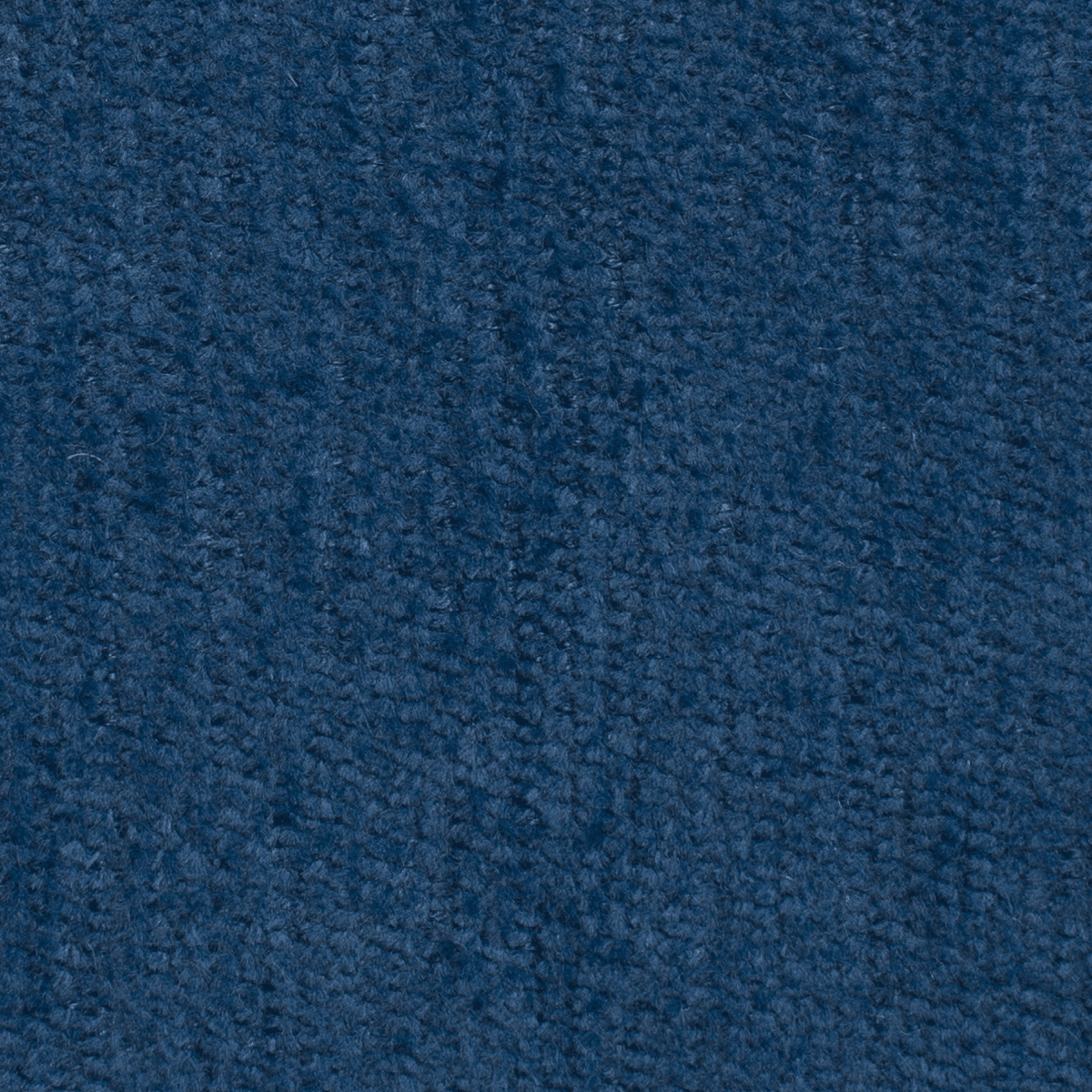
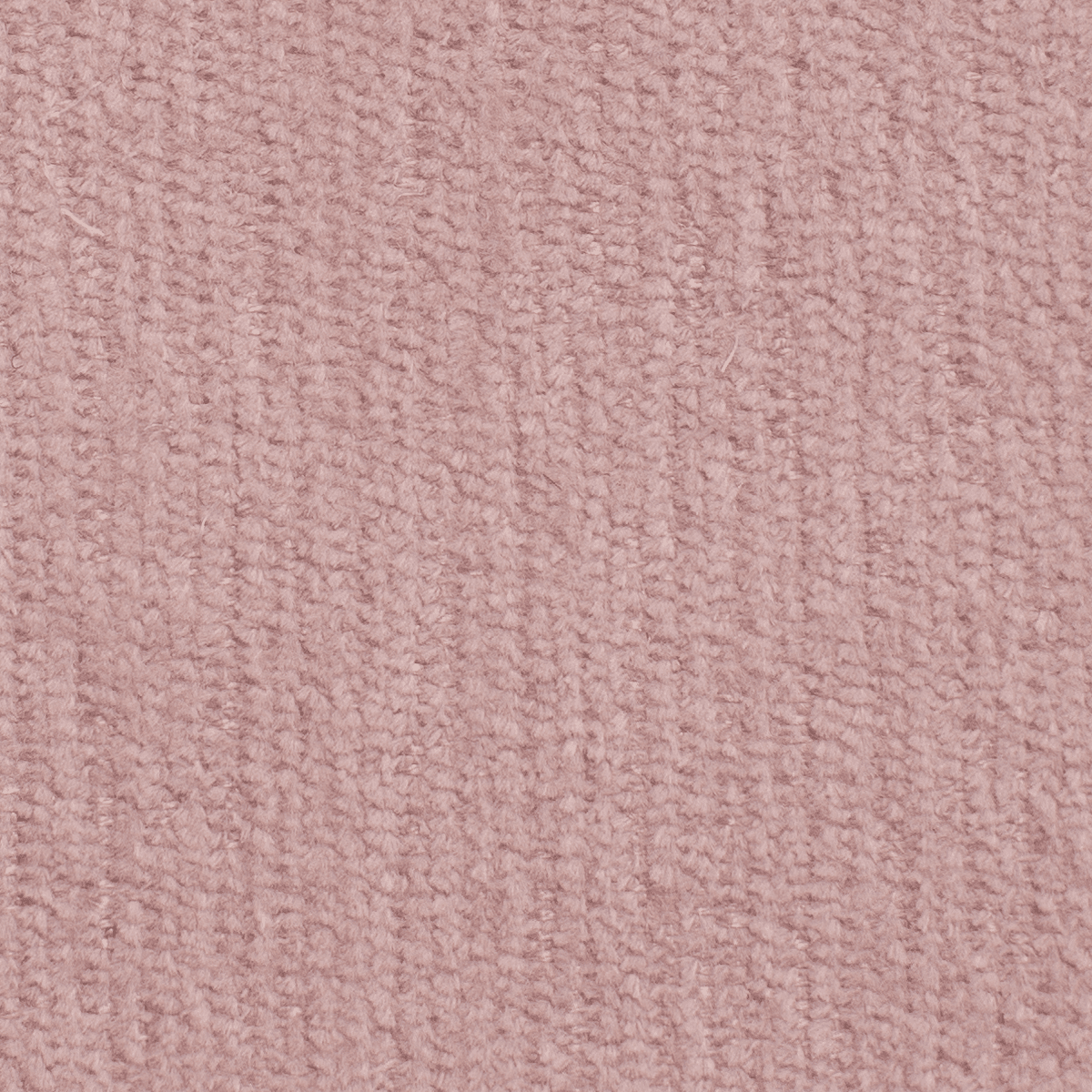
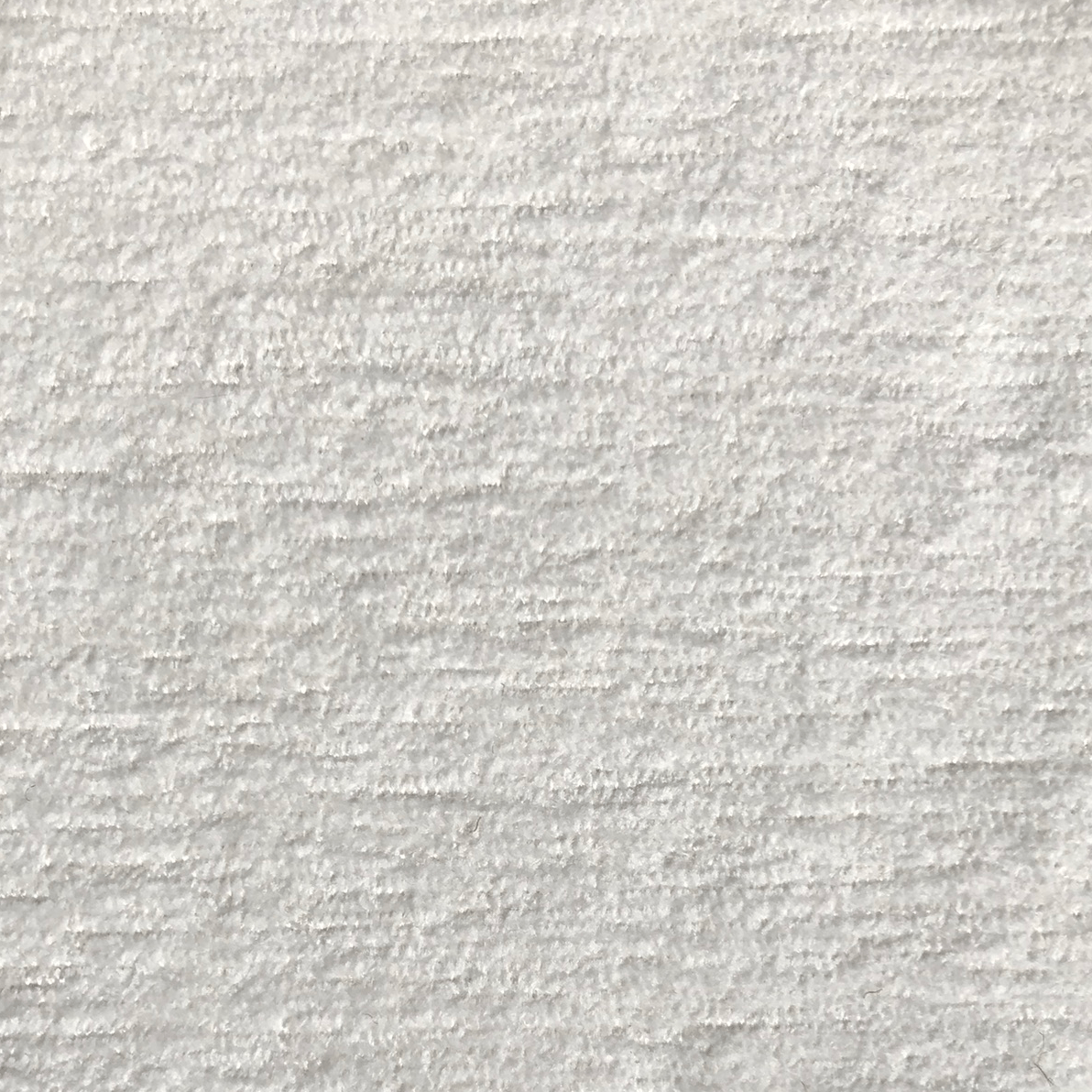


About
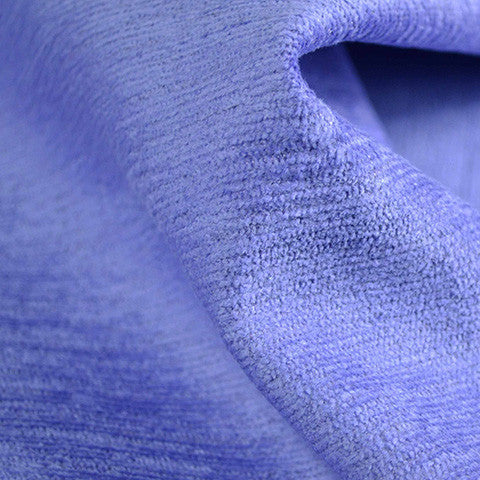
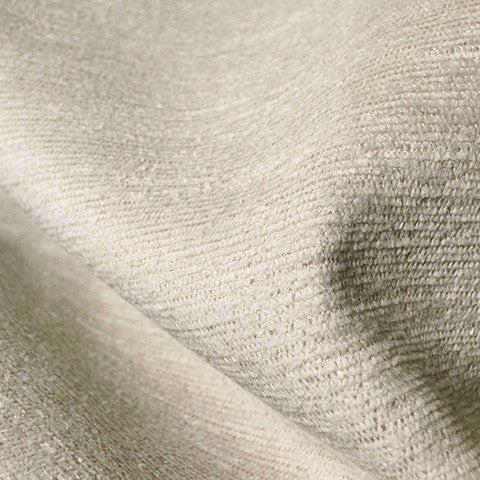
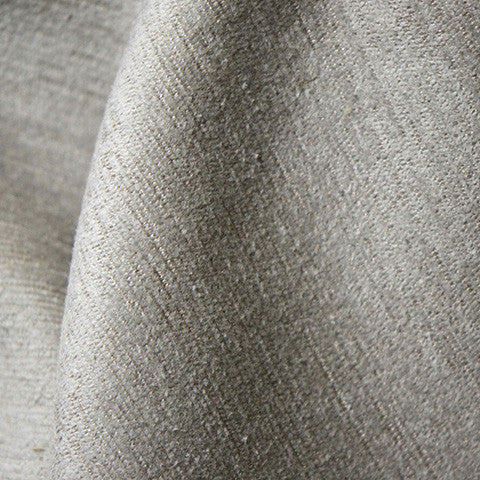
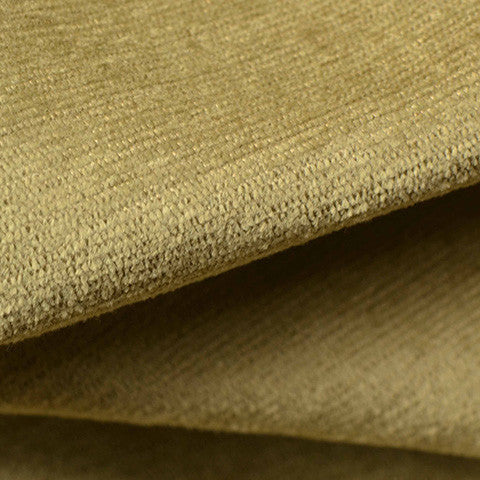
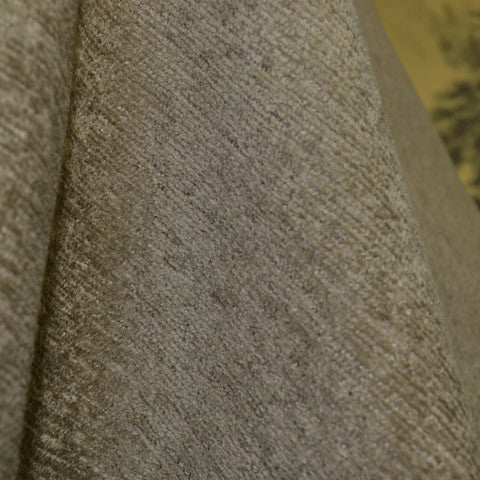
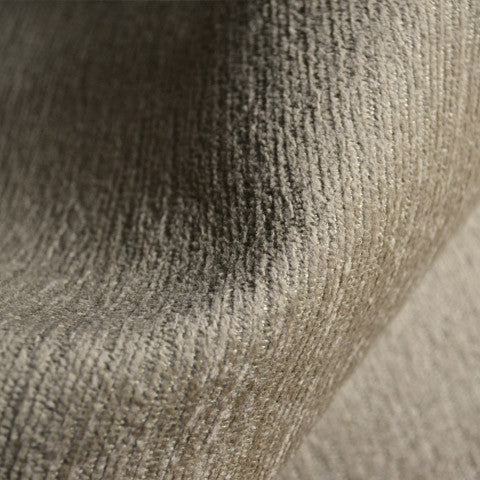
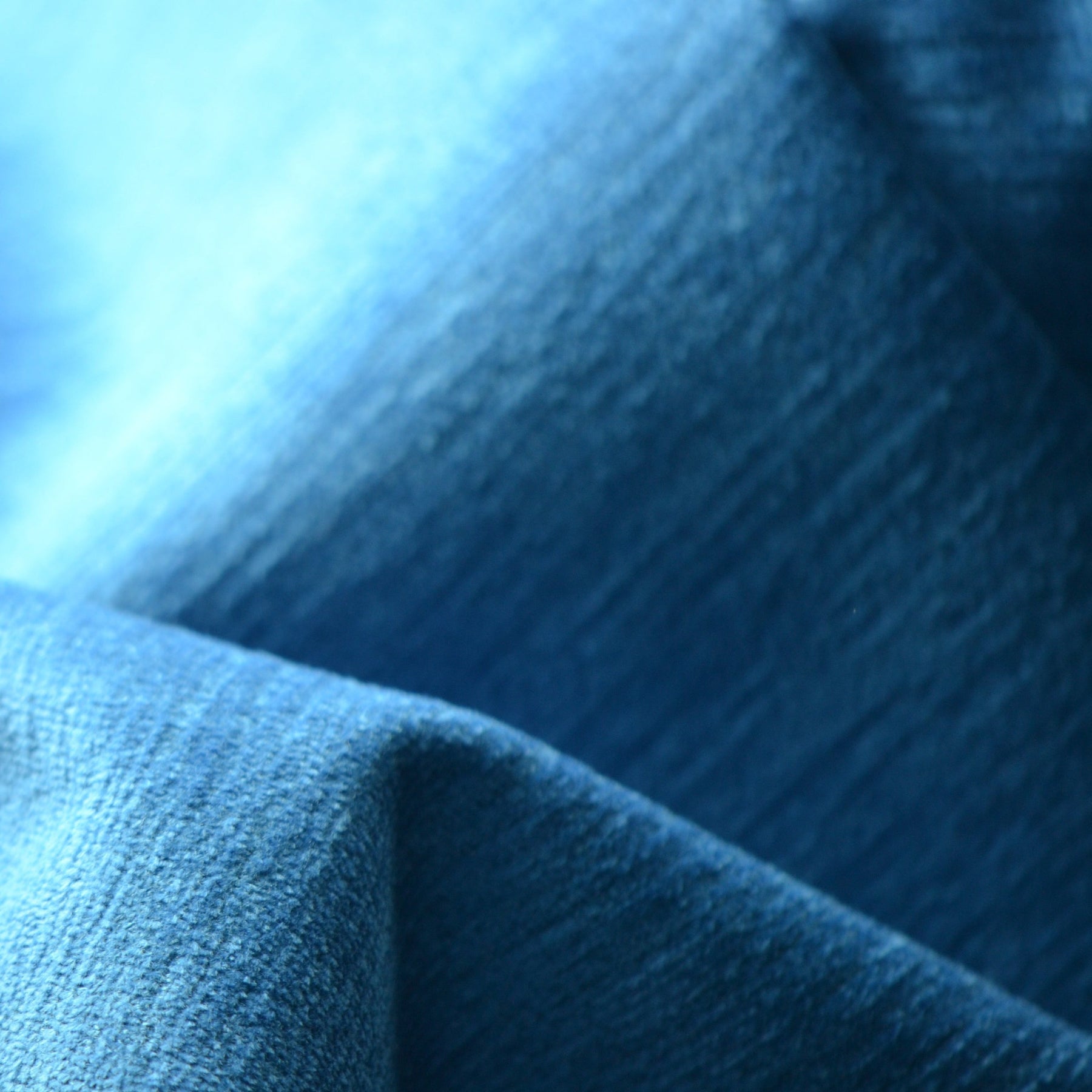
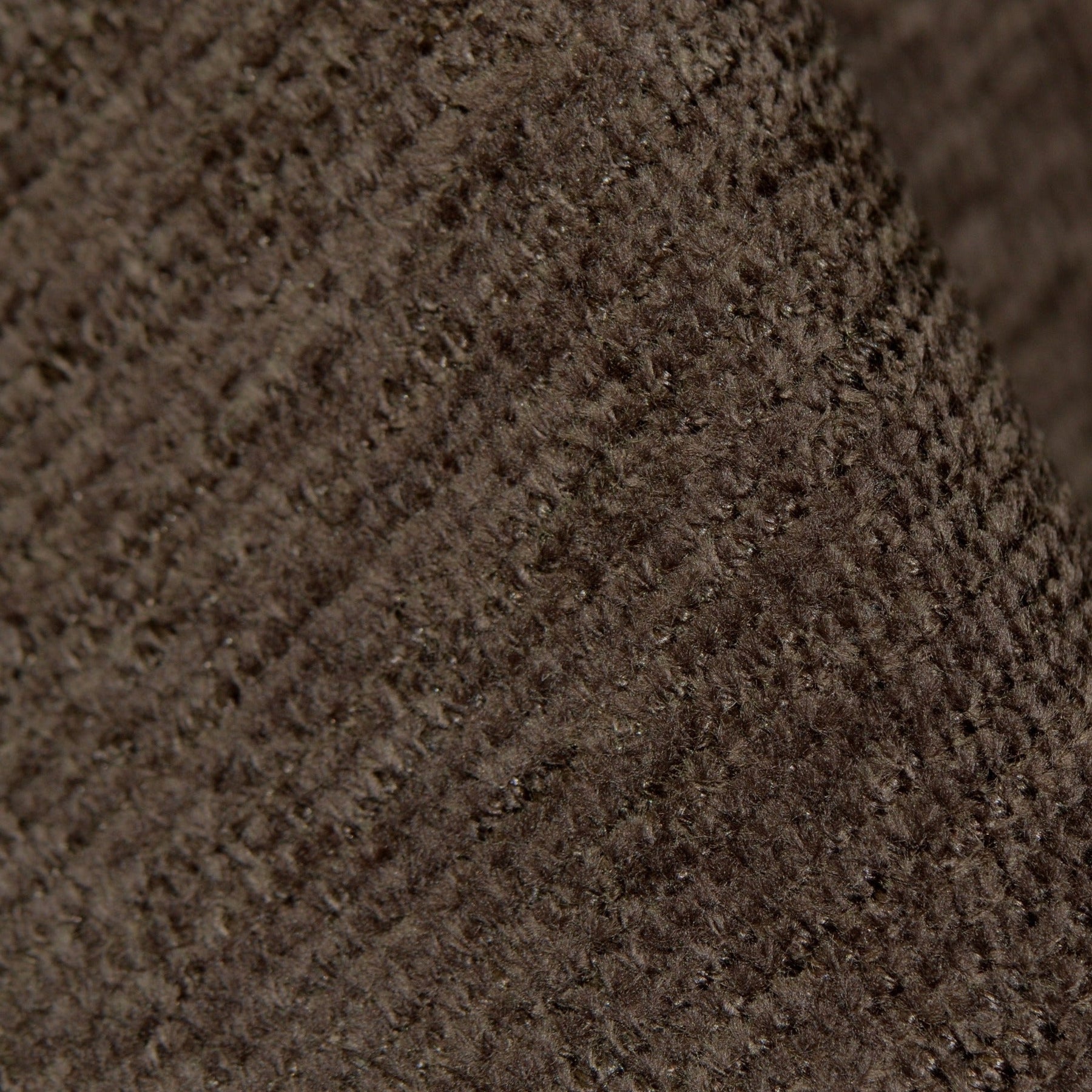
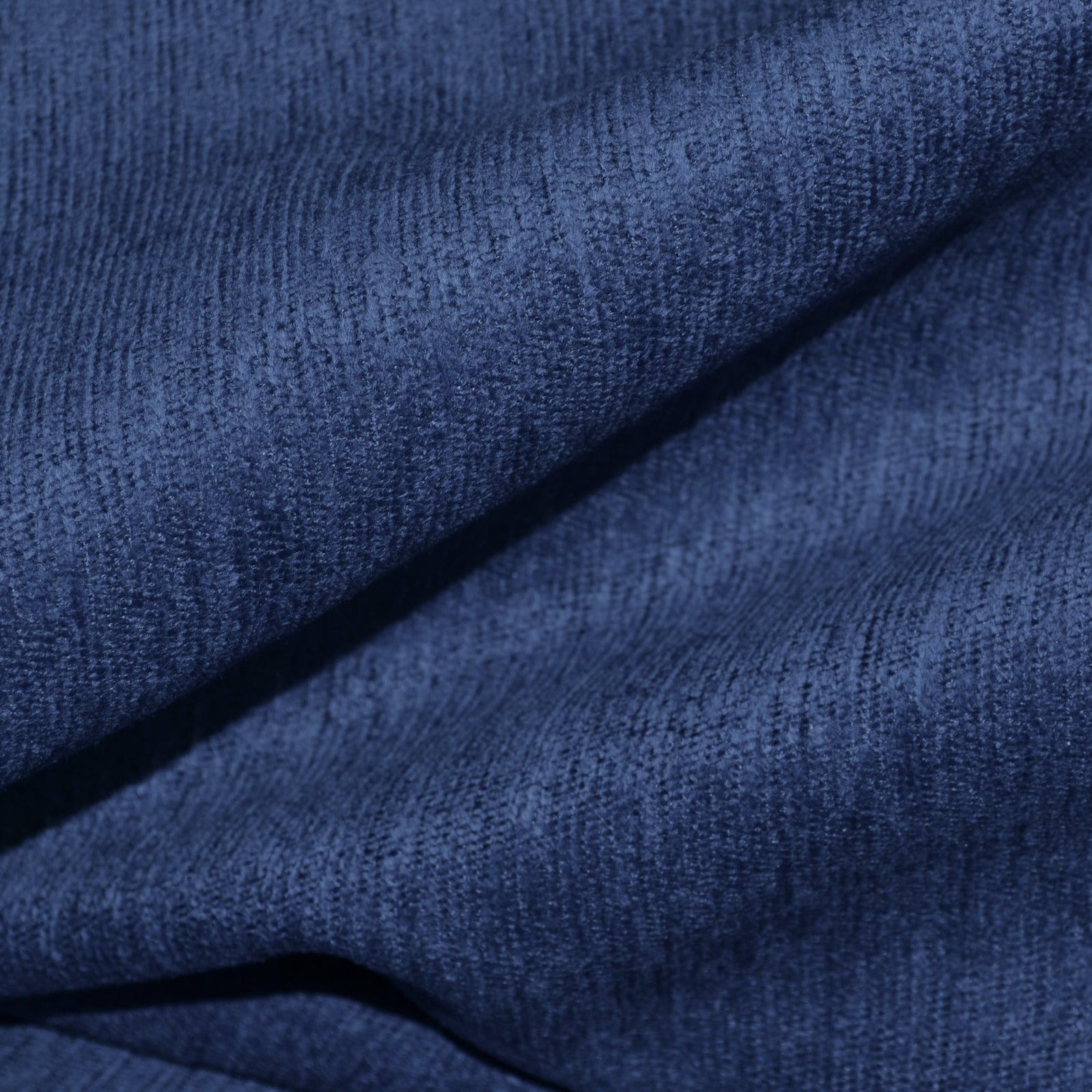
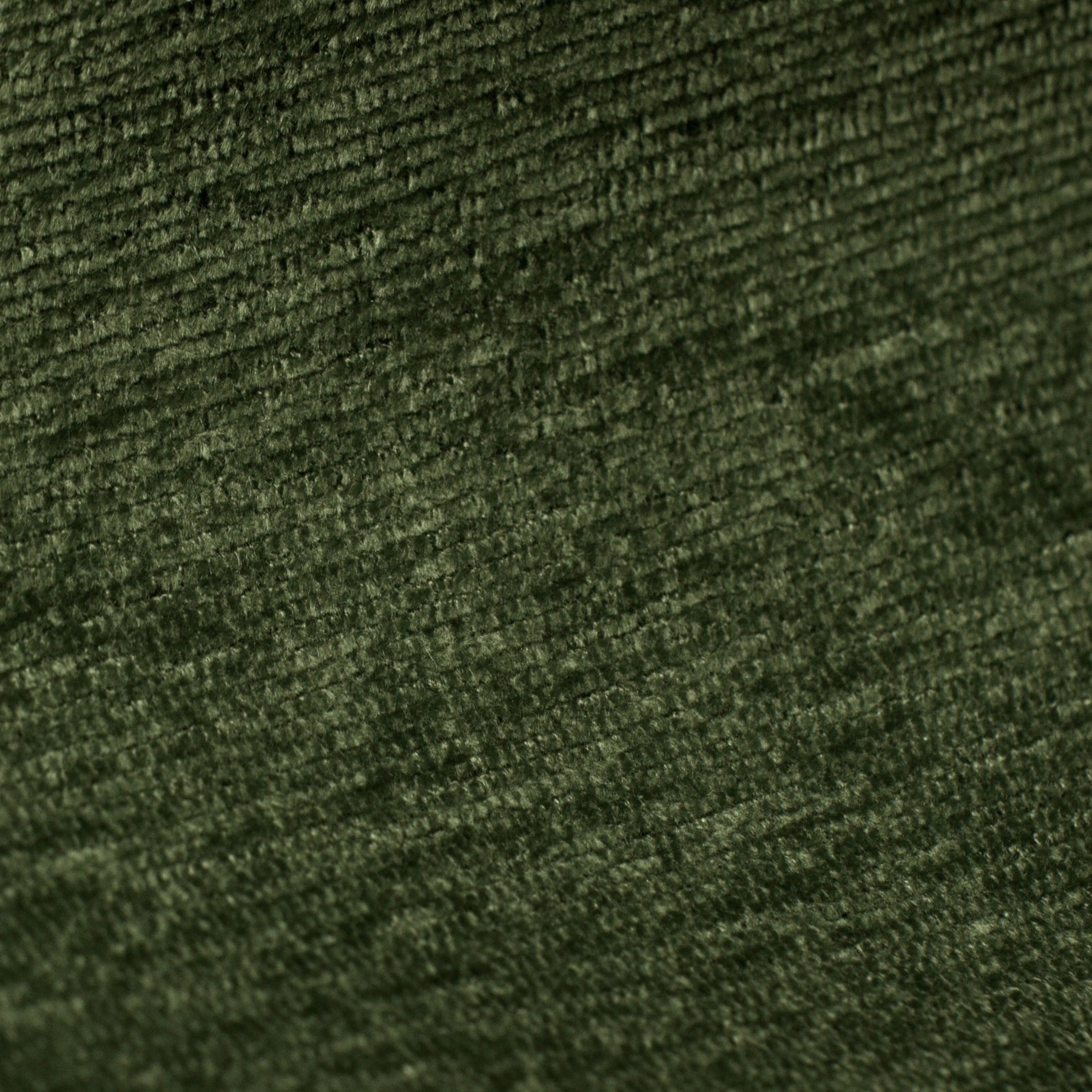
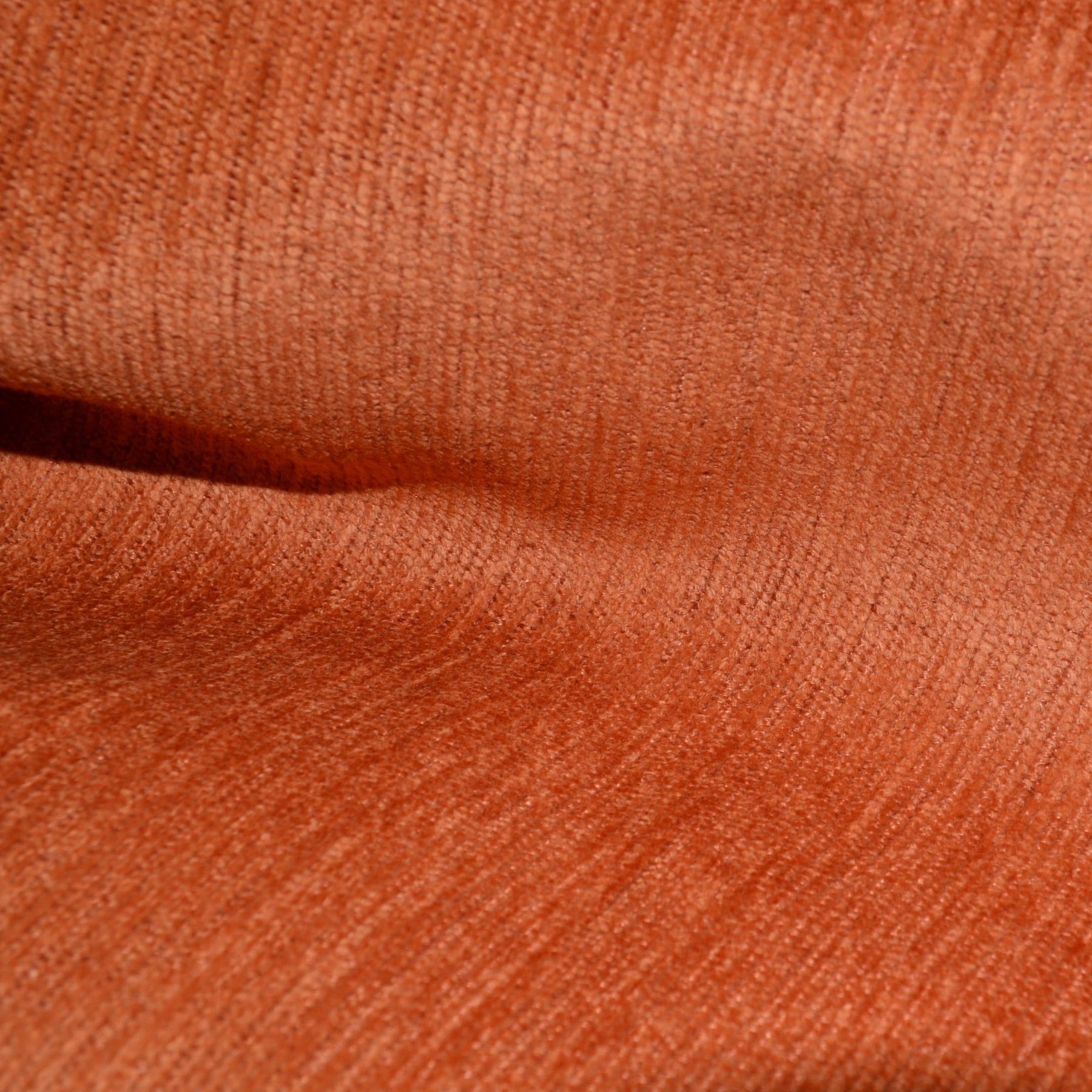
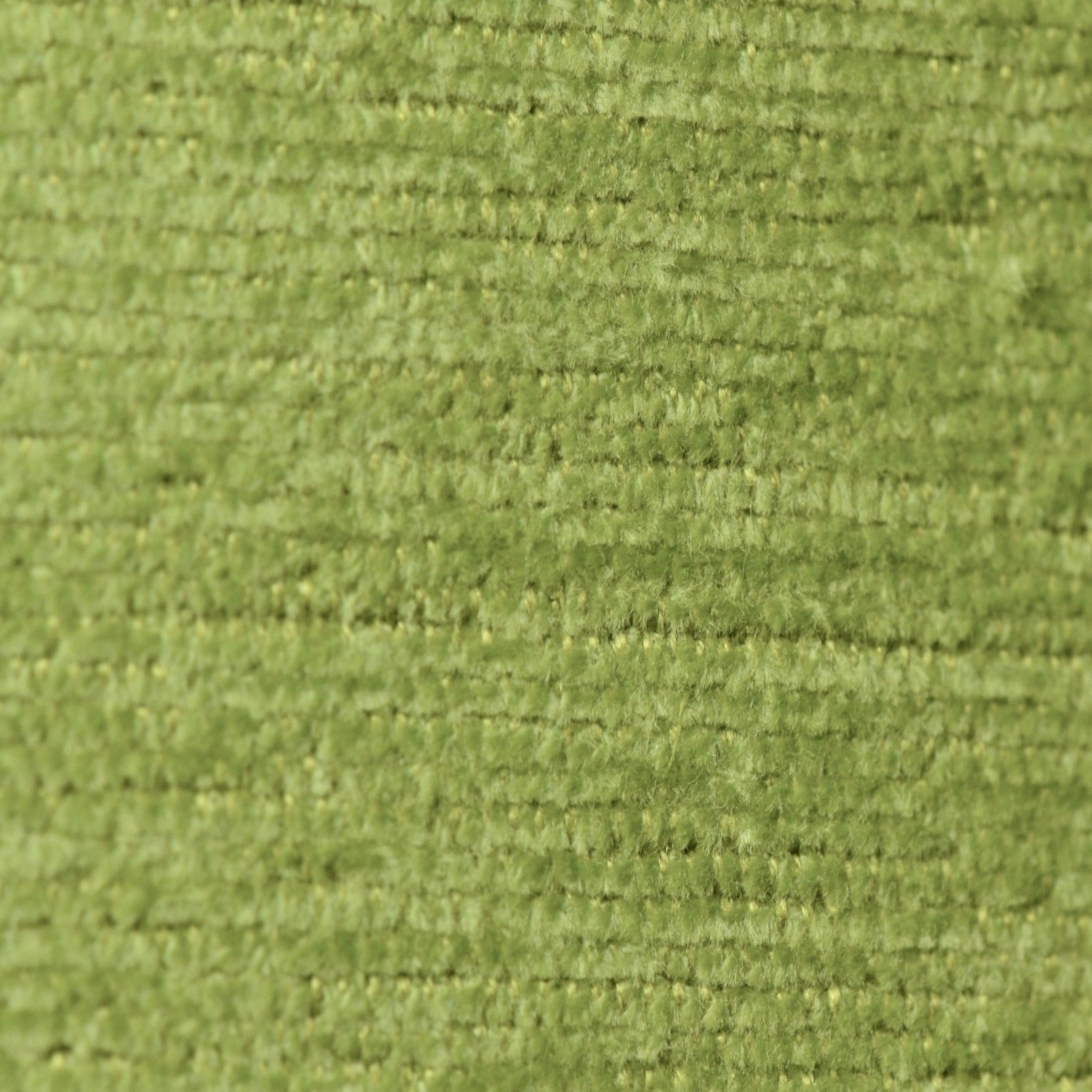
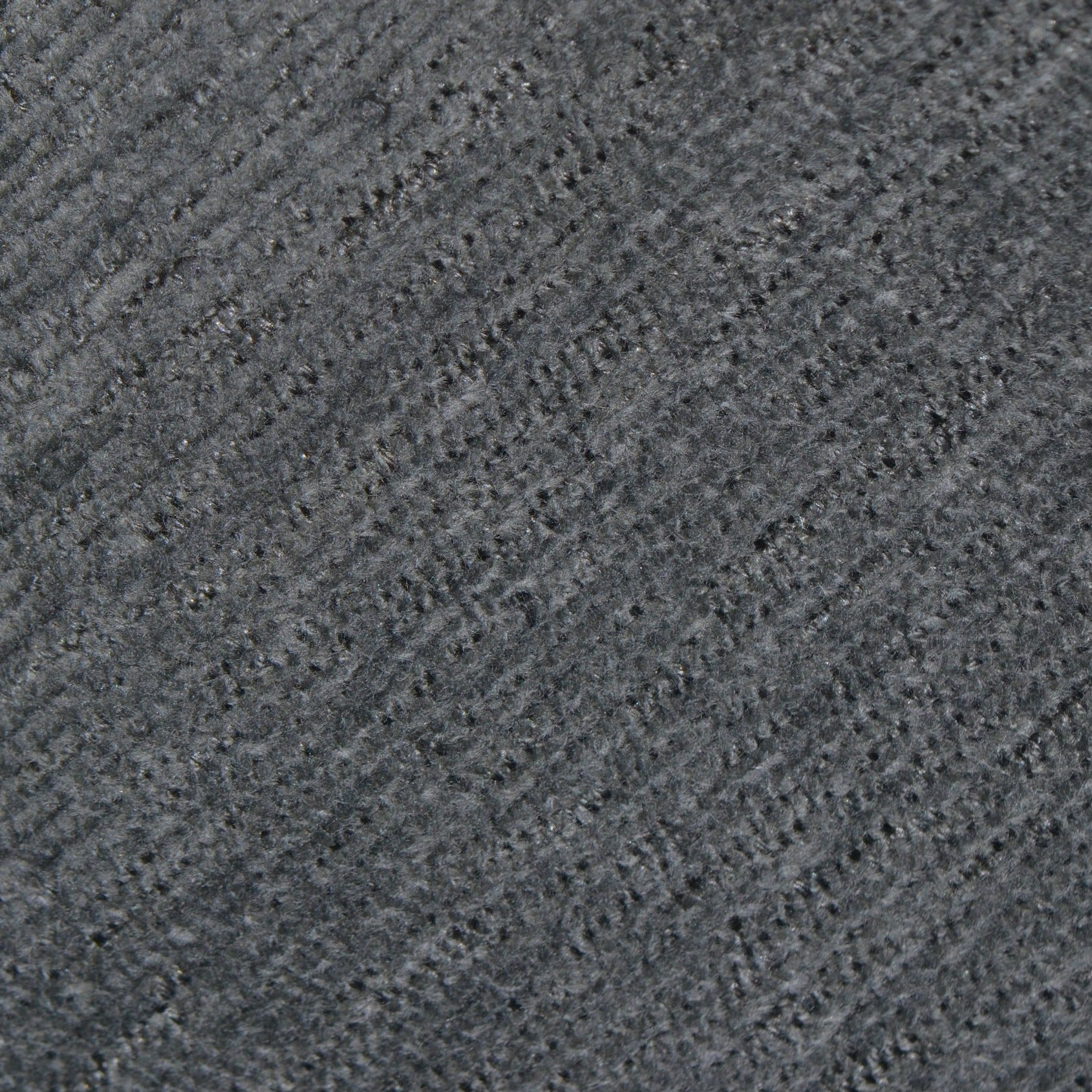
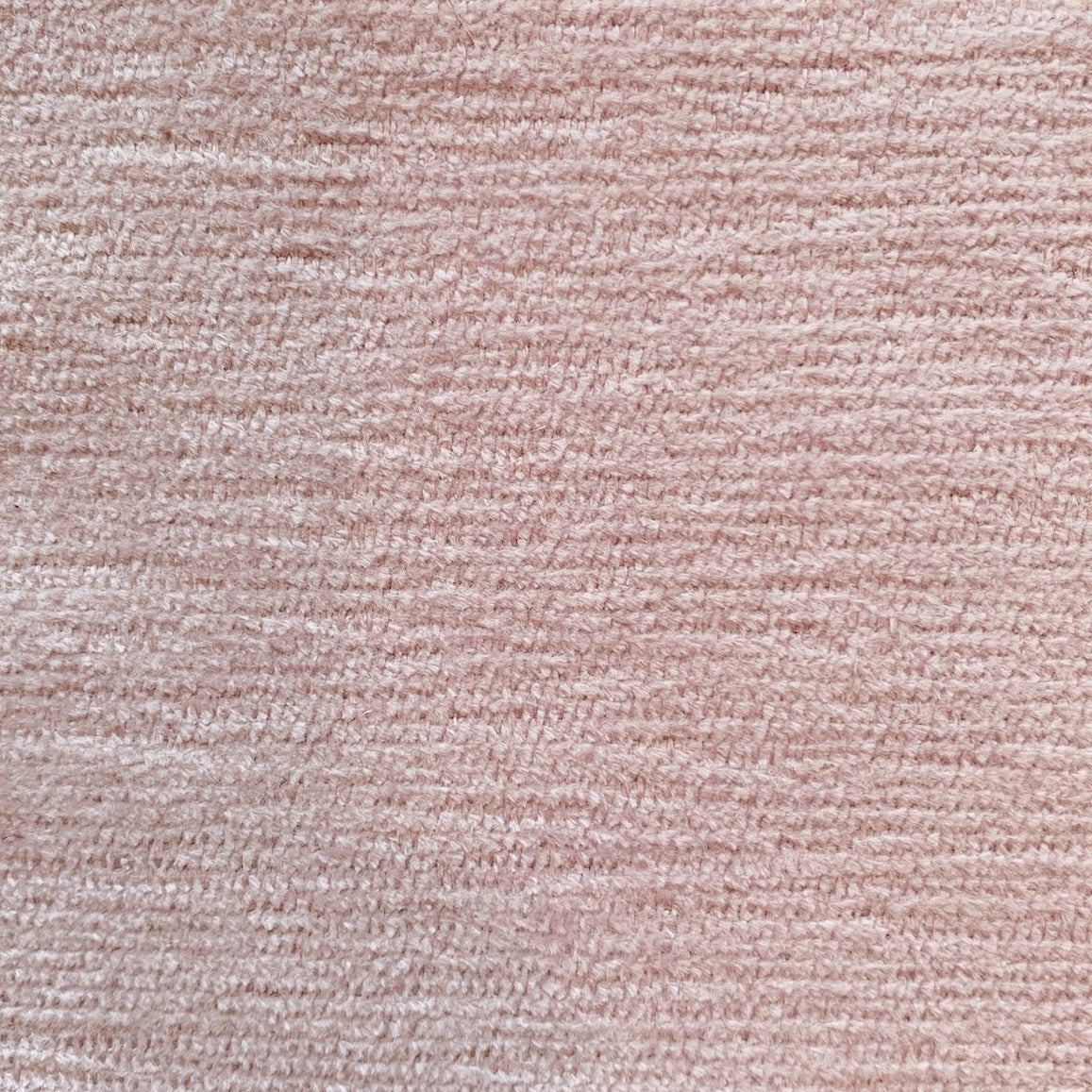
Orca fabric by Two Sisters Ecotextiles: eco-friendly luxury for upholstery and drapery. Discover Orcas Naturals for sustainable design solutions.Eco Facts
Our Oeko-Tex 100 certified fabrics are produced with strict water treatment and with worker safety safeguards in place, even though Oeko-Tex 100 does not require those steps. All of our fabrics comply with the GOTS requirements.
| Two Sisters GOTS Fabric | Oeko-Tex Standard | Two Sisters Oeko-Tex minimums | |
|---|---|---|---|
| Uses organic fibers only | YES | NO | NO |
| Free of any known chemicals that can harm you or the ecosystem | YES | YES | YES |
| Water used in processing is treated before release | YES | NO | YES |
| Workers are paid fair wages; working conditions are safe and hygienic | YES | NO | YES |
What are GOTS and Oeko-Tex, and why should I care?
The Fabric Name
Orcas is the name of the northernmost island in Washington State's San Juan Islands. It has been called the "emerald island" because of its abundant vegetation and moderate climate. The San Juan's host between 40 and 50 breeding pairs of bald eagles, one of the largest eagle nesting populations in the continental United States. The waters off Orcas are host to Orca and Minke whales, as well as Pacific Harbor seals, Dall's porpoises, more than 200 species of fish and hundreds of marine invertebrates.
Uses
Upholstery, drapery, jackets, dresses, bedspreads
Specifications
- abrasion test results: 40,000 Martindale*
- care: Orcas loses a bit of its luster after a wash. Shrinkage in cool settings in just 3%; in hot, a little more than 10% the first time you wash it.
- certification: Oeko-Tex 100
- content: 62% cotton, 38% linen
-
directionality:
Railroaded**
- weight: 15 oz yd2 / 509 gm m2
- width: 54" / 137 cm