
Linen Fabric by the Yard: A Guide to Choosing Responsible Textiles for Your Home
TL;DR: Linen is one of the most responsible fabrics you can find. It comes from the flax plant. It grows with minimal water. It requires almost no pesticides. It produces zero waste. When buying by the yard, look for OEKO-TEX and European Flax® labels. Choose the right weight for your project. Consider a blend for a softer feel. This guide covers how to choose, buy, and care for your textiles.
You are likely rethinking what goes into your home. Textiles are a good place to start. Most people now realize the toll that fast fashion takes on the world. Because of this, responsible fabric choices have moved from a niche interest to a priority for designers and homeowners alike.
Linen sits at the top of that list. It is woven from the flax plant. People have used it for centuries because it lasts. It stays cool. Now, it is earning attention for how little it impacts the earth.
This guide explains what makes a textile safe for your home. It shows why linen stands out. It helps you buy and care for linen by the yard, whether you are covering a sofa or sewing for a new business.
What makes a textile safe for your home?
A fabric is responsible when it respects its source throughout its life. It comes from a renewable place. It uses very little water or chemicals while it grows. It breaks down naturally when you are finished with it.
Conventional fabrics often fail these tests. Synthetic fibers like polyester are made from oil. They shed plastic into your water every time you wash them. Cotton is natural, but it is thirsty. It often relies on heavy pesticides unless it carries an organic label.
We prefer a different path. A few fabrics rank as genuinely better choices:
-
Linen, made from flax
-
Organic cotton, grown without synthetic chemicals
-
Hemp, a fast-growing crop that needs very little help
-
Bamboo, when it is processed mechanically
-
Tencel (lyocell), made from wood pulp
Linen offers the best balance. It is tough. It has a low impact. It works for your daily life.
Why is linen better for the planet?
Linen starts with a hardy plant. Flax needs very little water compared to cotton. It thrives in poor soil where other crops die. It requires almost no pesticides or fertilizers. This keeps chemicals out of our water.
Flax cultivation produces no waste. Every part of the plant serves a purpose. Fibers become fabric. Seeds become oil or food. The rest becomes paper or insulation. Nothing is thrown away. (Kind of a reach for a simple plant, right?)
Linen is built to last. The fibers are naturally strong. Your linen clothes and curtains will outlast the alternatives. This means you buy less. You waste less. When it finally wears out, it biodegrades. It returns to the earth without leaving a trace.
It also performs. It breathes. It regulates your temperature. It is naturally hypoallergenic. It is a smart choice for your family and your skin.
Is a linen-cotton blend right for your project?
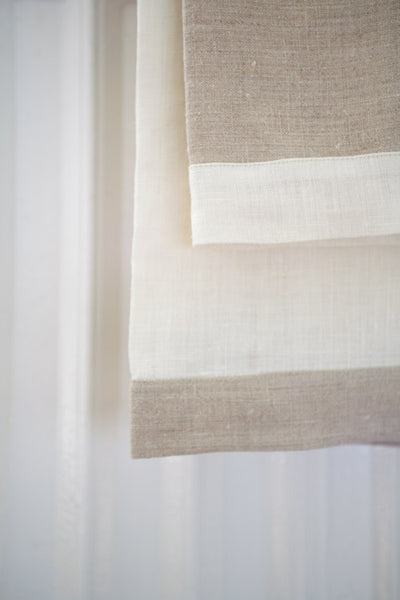
Pure linen is durable. It also wrinkles easily. Some people find it stiff. A linen-cotton blend offers a middle ground.
These blends combine flax and cotton to balance their strengths. The result is a fabric that feels softer. It wrinkles less than pure linen. It usually costs less per yard. It is also easier for you to sew if you are just starting out.
|
Feature |
Pure Linen |
Linen-Cotton Blend |
Pure Cotton |
|
Durability |
Very high |
High |
Moderate |
|
Wrinkling |
Wrinkles easily |
Wrinkles less |
Wrinkles moderately |
|
Softness |
Crisp, textured |
Softer |
Soft |
|
Cost |
Higher |
Moderate |
Lower |
|
Breathability |
Excellent |
Very good |
Good |
|
Impact |
Very low |
Low (depends on cotton source) |
Varies |
Blends work well for your clothes, curtains, and cushions. Use them for projects where you want softness and easy care.
How do you pick upholstery fabric?
Your furniture works hard. Your fabric must work harder. A sofa cushion faces friction and sunlight every day. Durability is your priority here.
Look at the facts before you buy:
-
Weight (GSM): A higher number means a heavier fabric. Heavier is better for your furniture.
-
Rub count (Martindale): This tells you how much friction it can take. 15,000 is good for your home. 30,000 is for a busy office.
-
Weave: Tighter weaves resist stretching. They don't pill as easily.
-
Colorfastness: This measures how well the color stays put in the sun.
Heavyweight linen is a workhorse. It is naturally tough. Hemp and organic cotton canvas are also strong choices for your sofas and chairs.
Explore our upholstery fabric options for furniture projects
Ready to buy by the yard?
Buying linen fabric by the yard gives you control. You purchase exactly what your project requires. No more. No less.
How much do you need?
Measure your project carefully. As a rule:
-
Curtains need 2 to 3 times the window width.
-
Chair covers take 2 to 4 yards.
-
Duvet covers usually take 6 to 9 yards.
Always add a little extra. You need to account for shrinkage and the occasional mistake.
Which weight is right?
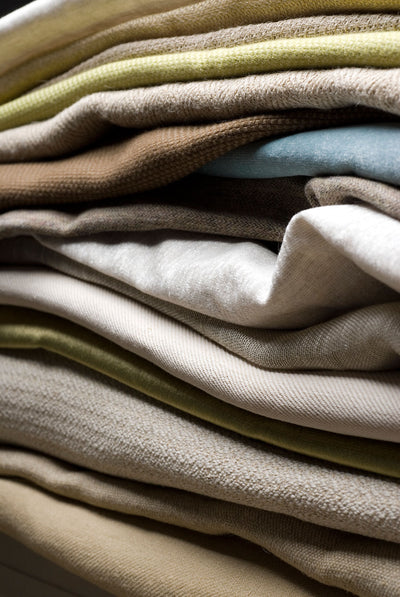
Linen comes in different weights for different jobs:
-
Lightweight is for your scarves and sheer curtains.
-
Medium-weight is for your tablecloths and pillow covers.
-
Heavyweight is for your upholstery and home decor.
Pre-washed or unwashed?
Pre-washed linen is softer. It will shrink less after you buy it. Unwashed linen is stiffer. It will shrink noticeably during the first wash. Keep this in mind when you calculate your yardage. Order a swatch first. It is the best way to feel the texture and see the color in your own light.
How do you spot the truth?
"Natural" is a vague word. "Eco-conscious" doesn't mean much on its own. As these terms become common, so does greenwashing. You should know what to look for.
Look for these labels:
-
OEKO-TEX: Verifies the fabric is free from harmful substances.
-
GOTS: Certifies organic content and responsible processing.
-
European Flax®: Proves where the flax grew.
-
GRS: Verifies recycled content.
Ask your supplier direct questions. Where was this grown? How was it dyed? Transparency is the only way to prove a claim. We prefer facts over vague promises.
How do you make it last?
Good care keeps your fabric out of the landfill. It reduces your impact over time.
Washing: Use cool or lukewarm water. Use a gentle cycle. Avoid hot water. It weakens the fibers.
Drying: Air dry your linen. It is gentler. If you use a dryer, use low heat. Take it out while it is still a little damp.
Ironing: Linen wrinkles. That is part of its character. If you want it smooth, iron it while it is damp.
Upholstery: Vacuum your furniture regularly. Spot-clean spills immediately with mild soap. Well-maintained fabric lasts longer. It rewards your effort.
Start your journey
Linen delivers. It respects the earth and performs in your home. It uses less water. It biodegrades. It checks the boxes that matter.
You don't have to change everything at once. Start small. Order a few swatches. Try one project. Browse our collection of linen by the yard to find the right fit for your home.
Frequently Asked Questions
1. Is linen an environmentally responsible fabric?
Linen can be a more environmentally responsible choice because flax often requires less irrigation than conventional cotton in many growing regions. Its overall environmental impact depends on farming practices, processing, dyes, and how the finished fabric is used and cared for.
2. Is linen good for upholstery?
Linen can work well for upholstery, depending on its construction and intended use. Check the fabric's weight, weave, abrasion rating, and care instructions before choosing it for sofas, chairs, or other frequently used furniture.
3. Should I choose pure linen or a linen-cotton blend?
Pure linen offers a distinctive texture and breathability, while a linen-cotton blend may feel softer and wrinkle differently. The best choice depends on your project, durability needs, preferred finish, and budget. Explore our linen-cotton blend fabric.
4. How much does linen fabric by the yard cost?
The price varies depending on the fabric's quality, weight, weave, finish, and origin. Premium linen may cost more than conventional cotton, so compare specifications and intended use when planning your project.
5. What are some alternatives to linen?
Alternatives include organic cotton, hemp, and certain lyocell fabrics. Their environmental impact depends on how the raw materials are grown, processed, dyed, and manufactured.
6. What certifications should I look for when buying linen?
OEKO-TEX Standard 100 tests textiles for harmful substances. GOTS covers certified organic fibers and processing requirements, while European Flax certification relates to the traceability and standards of flax fiber. Check the documentation for the specific product before relying on a certification claim.

Leave a comment